

Serviced Apartment vs Regular Apartment in Thao Dien
Serviced apartment vs regular apartment in Thao Dien — real monthly costs, what the serviced premium buys, and how to pick the right one for your stay.
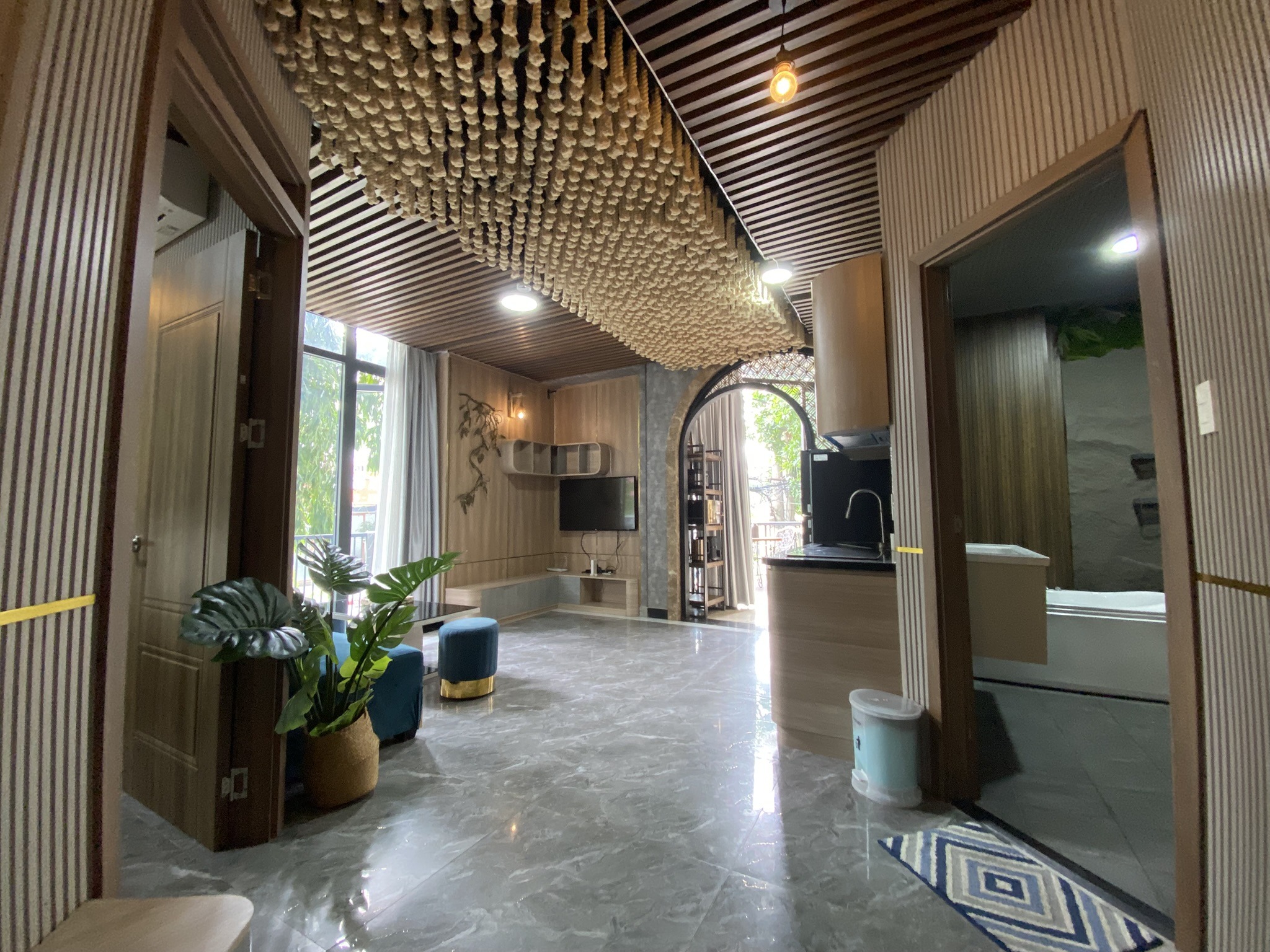
The serviced apartment vs regular apartment question has no universal answer — which one fits comes down to three things: how long you're staying, what you want your money to buy, and, more than people expect, which specific building you end up in. A serviced studio at $480 all-in can beat a condo one-bedroom on cost. A high-floor condo two-bedroom can outprice every serviced unit in the area.
One thing first: if you're here for less than three months, this guide isn't for you. A hotel or short-term rental will serve you better — and while some serviced operators do accept shorter stays, at that length you're paying for flexibility you could get cheaper elsewhere. Everything below assumes you're settling in for three months or more, because that's where the real decision lives.
"Serviced" covers two very different products
Walk the low-rise streets off Nguyen Van Huong in An Khanh and you'll pass both kinds within a block. Ten listings labeled "serviced apartment" in Thao Dien often hide two different products behind the same label.
At the top end, professionally managed serviced residences run like small hotels: a management office, housekeeping on a fixed schedule with a team behind it, proper contracts, and someone who answers when the AC dies at 9pm. At the other end, guesthouse-style units — a furnished room in a low-rise building, run by an owner who sends a cleaner twice a week and calls a repairman when something breaks. Nothing wrong with them, and many are good value. But they're a different product, and the rent should reflect that.
How to tell them apart before you sign:
- Who handles problems — is there a management office, or do you call the owner's personal phone?
- Housekeeping — a scheduled team with fresh linens, or "a lady comes when she comes"?
- Paperwork — proper contract, deposit receipt, invoices if your company needs them?
- Backup — if the water heater dies, is there a second unit to move you to?
If you want the definition-first breakdown, see what a serviced apartment actually includes. Both types also appear in our Thao Dien serviced apartment area guide — and the price gap between them can run to hundreds of dollars at the same size, so know which one you're paying for.
The cost overlap: sometimes the regular apartment is the premium one
The usual assumption is serviced means expensive and regular means cheaper. In Thao Dien the reality is three overlapping bands, and where you land depends mostly on size.
- Studios and one-bedrooms: serviced units often win outright. A furnished studio with housekeeping and WiFi included runs around $300–$480, and by the time you add utilities, management fees, and parking to a comparable condo one-bedroom, the "cheaper" option frequently costs more all-in. We break down a real $630-vs-$680 example in our Thao Dien rent price guide.
- Two-bedrooms: the math flips. A standard condo two-bedroom at $960 plus around $150 in utilities and fees competes directly with a serviced two-bedroom at $860 — and the condo usually gives you more space and a pool for it.
- The premium end: this is where regular apartments are the expensive ones. A high-floor two-bedroom in a building like D'Edge Thao Dien or The Nassim runs $1,500–$2,200 and up — more than any serviced unit in the area. Nobody picks those buildings on value; they pick them for build quality and the view.
The comparison that matters is all-in cost within your size and area: rent, plus electricity, water, internet, cleaning, and — if the unit is unfurnished — a furnishing budget you won't see again at the end of the lease. A $700 condo that looks cheaper than a $750 serviced unit often isn't, once you count everything. Our utility costs breakdown covers the numbers people forget.
What the serviced premium actually buys
When a serviced unit costs more than a comparable condo, here's what the difference is buying — and what it isn't.
You're paying for:
- Walk-in convenience — furniture, kitchen, AC, WiFi. You arrive with a suitcase.
- Housekeeping — usually two to three times a week, linens included.
- Flexibility — three to six month terms are normal, versus twelve months minimum for most condos.
- A smaller deposit — typically one to two months, versus two to three for a condo.
- One point of contact — something breaks, one call fixes it.
You're not paying for:
- Building amenities — serviced buildings may have a small pool or gym, or none at all.
- Space per dollar — at the same budget, a condo unit is usually bigger.
- The community of a big building — neighbors, events, a lobby with actual life in it.
At the guesthouse-style end of the market, be extra clear-eyed: you're mostly paying for furniture and a cleaner. That can still be the right call — but price it like what it is.
Serviced apartment vs regular apartment: which one fits you?
Here's how we usually talk people through it, based on the inquiries we get every week.
You just arrived on a 6-to-12-month contract. Start serviced. Walk in with a suitcase, spend your first months learning which streets you actually like, and treat the apartment as a base camp. If you fall for a specific condo at month four, you move once — not twice.
You're a couple outgrowing a serviced one-bedroom. If you're six months in and staying longer, start touring condo two-bedrooms. This is the crossover zone: at two-bedrooms the math flips toward regular units, and you'll feel the extra space every day. Renewing the serviced unit is easier; moving usually wins.
You need two or three bedrooms and a pool for the kids. Regular condo, almost every time. Serviced stock in this area skews heavily toward studios and one-bedrooms — family-size serviced units exist but are rare and priced accordingly. Buildings like Masteri Thao Dien and Tropic Garden were practically designed for this: pools, gyms, and enough neighbors for kids to find friends.
You're watching the budget. Don't assume "serviced" means expensive — at studio and one-bedroom size, a serviced unit is often the cheapest way to live well here once you count what a condo makes you add on top. Compare all-in, not sticker rent.
You're here for a year or more and know it. Regular condo. A year of twice-weekly housekeeping you didn't ask for is real money spent on a service you can arrange yourself for a fraction of it — and the deposit difference works in your favor too.
The middle path
The choice isn't always binary. A few options sit between the two:
- Furnished condo units. Some condo owners furnish their units and rent them at a modest premium. You give up housekeeping but skip the furniture store. We know which buildings have them — just ask.
- Condo plus your own cleaner. Hiring cleaning directly costs a fraction of the serviced premium. If you like a specific condo but want the serviced convenience, this is usually the cheapest way to get both.
- Longer terms with serviced operators. Many will adjust rates for six-to-twelve-month commitments. If you've found a professionally managed place you like, it's worth asking.
The quick decision table
| Your situation | Start with | Why |
|---|---|---|
| 3–6 months, just arrived | Serviced | Walk-in convenience, low deposit, no furniture to buy or sell |
| 6–12 months, settling in | Compare both | The crossover zone — decide on all-in cost and space |
| 12 months or more | Regular condo | More space, real amenities, cheaper per month at 2BR+ |
| Family needing 2–3 bedrooms | Regular condo | Serviced stock skews small; pools and gyms come with condos |
| Studio budget, want it simple | Serviced | $300–$480 all-in is hard to beat |
Still torn? Tell us your budget and how long you're staying — we'll send both types side by side, from what's actually available, within 24 hours.